
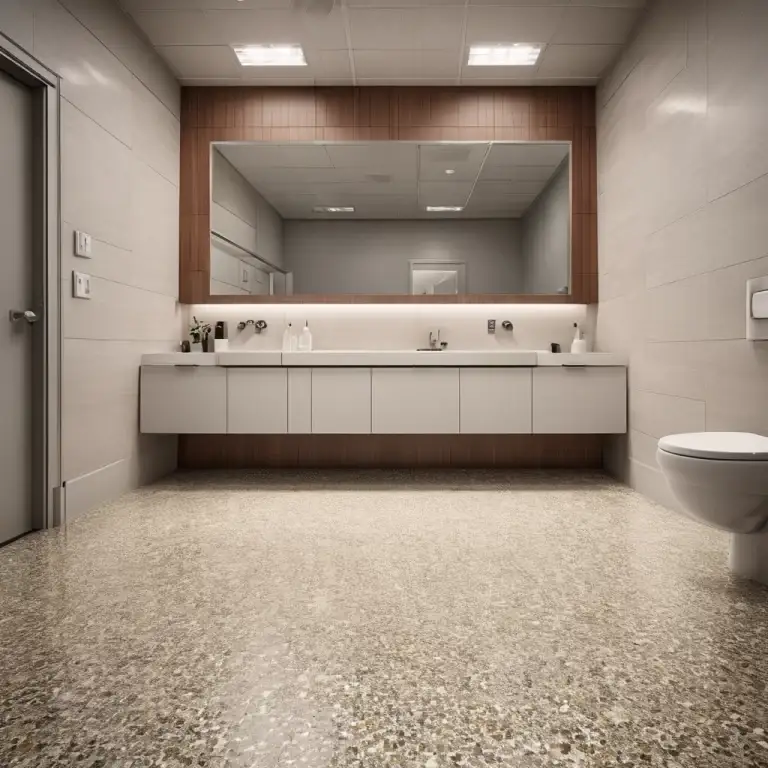
Running a food and beverage establishment comes with countless challenges—from maintaining hygiene to ensuring customer comfort. One often-overlooked aspect that significantly impacts both safety and aesthetics is the flooring. The right flooring can not only enhance the ambiance of your restaurant, cafe, or bar but also ensure durability and compliance with health standards. In this blog, we’ll explore everything you need to know about food and beverage flooring and how to make a choice that balances style and practicality.
Why Flooring Matters in Food and Beverage Spaces
When it comes to food and beverage establishments, flooring is more than just a surface to walk on. It plays a crucial role in maintaining hygiene, ensuring safety, and supporting the overall aesthetic of your space.
Poor flooring can lead to accidents, slip hazards, and even long-term maintenance issues that cost time and money. On the other hand, the right choice ensures:
- Durability: Resistant to heavy foot traffic and frequent cleaning.
- Hygiene: Easy-to-clean surfaces that prevent bacteria buildup.
- Aesthetic Appeal: Enhances the overall atmosphere and complements your brand.
Even the smallest detail, such as the texture or finish of the flooring, can affect both staff efficiency and customer perception. That’s why selecting the proper material is critical.
Key Considerations for Food and Beverage Flooring
Selecting flooring for your establishment requires more than just picking a design you like. Here are the factors to keep in mind:
- Slip Resistance: Kitchens, bars, and dining areas are prone to spills. Choosing a slip-resistant floor is essential to prevent accidents.
- Ease of Maintenance: Flooring must withstand constant cleaning with water, detergents, and sometimes harsh chemicals without losing its integrity.
- Durability Under Heavy Traffic: High foot traffic can wear down weak materials. Opting for robust surfaces like vinyl, epoxy, or polished concrete ensures longevity.
- Aesthetic Flexibility: The flooring should align with your brand image—warm wood tones for cozy cafes or sleek, polished finishes for modern bars.
One simple tip: consider using modular flooring tiles in kitchen areas. They make replacements easy without disturbing the entire floor, saving time and cost.
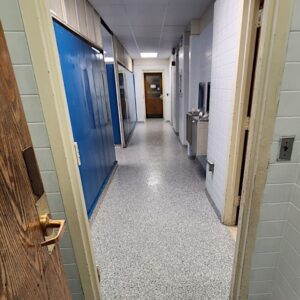
Popular Flooring Options for Food and Beverage Spaces
Choosing the right material depends on your specific needs, but some options have proven highly effective:
- Vinyl Flooring: Durable, easy to clean, and available in various styles.
- Epoxy Flooring: Perfect for high-traffic kitchens due to its seamless, hygienic surface.
- Polished Concrete: Strong and modern, it can handle spills and stains with minimal maintenance.
- Rubber Flooring: Provides extra cushioning for staff who stand for long hours.
Each option has pros and cons, but the priority is always safety and hygiene, especially in areas with constant food preparation or beverage service.
Conclusion:
Investing in quality food and beverage flooring is an investment in safety, aesthetics, and operational efficiency. By carefully selecting a material that combines durability, hygiene, and style, you can create a welcoming environment that leaves a lasting impression on both your staff and your customers.
