
The challenge with learning to cook is not a shortage of information. It is the opposite. There is so much content about cooking available that it becomes difficult to know what to prioritize. The most effective approach is to build from a small set of high-impact Cooking Techniques for Home Cooks that apply broadly, teach instincts rather than habits, and produce results that reinforce the desire to keep learning.
Start With the Techniques That Touch Everything
Some cooking techniques are so foundational that they appear in nearly every cuisine, every cooking style, and every type of meal. They are worth learning first because the return on investment is immediate and lasts indefinitely. These include proper searing, building flavor through fat, understanding salt’s role in cooking, and learning to read your food rather than simply timing it.
Eat Splendid, the chef-led culinary platform founded by Paula Naumcheff, teaches exactly these foundational skills through its Cooking School section. Paula’s approach is shaped by years of professional cooking, a background in restaurant ownership, and a family tradition of culinary excellence spanning generations. Her grandfather operated restaurants in Michigan and Florida, her father ran a beloved Detroit spot, and her mother was known for exceptional scratch baking. That background means the techniques she shares have been tested in the most demanding culinary environments possible.
Searing: The Technique That Transforms Protein
The ability to properly sear protein is one of the most transformative skills a home cook can develop. A correctly seared piece of fish, chicken, or scallop develops a golden, flavorful crust that fundamentally changes both the taste and visual appeal of the dish. Most home cooks make two common errors: their pan is not hot enough when the protein goes in, and they move the food before it has released naturally from the surface.
The pan-seared scallops recipe on Eat Splendid is an ideal vehicle for learning this technique. Described as taking just minutes with results that taste and look like fine dining, it teaches the principle of high heat, dry surface, and patient timing in the most direct and satisfying way possible.
Sauce Building From the Pan
One of the techniques that most visibly separates home cooking from restaurant cooking is the ability to build a sauce from the fond, the concentrated caramelized bits left in the pan after searing. A quick deglaze with wine, stock, or even water, followed by a reduction and a finish of butter or cream, produces a sauce with depth and flavor that would take much longer to achieve from scratch.
This is the kind of knowledge embedded in the cooking techniques for home cooks content on Eat Splendid, where technique is explained in context rather than as an abstract lesson.
Bread and Pastry: Where Technique Becomes Art
Baking requires a different relationship with technique than stovetop cooking. The variables are more fixed, the chemistry is more precise, and the results are less forgiving of improvisation. This is why baking technique deserves specific attention rather than being lumped in with general cooking skills.
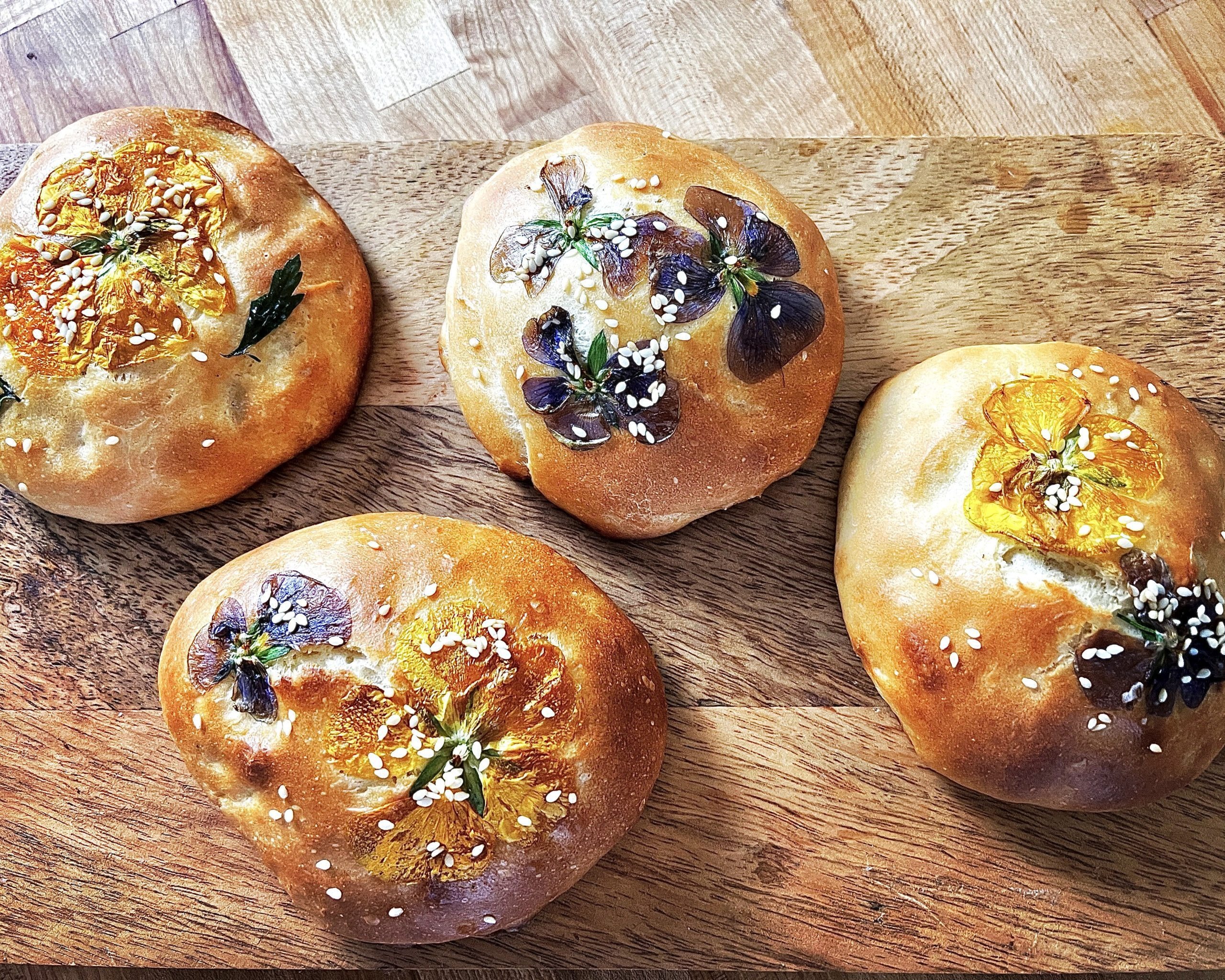
Eat Splendid’s Breads and Pastries category covers everything from the no-knead yeast bread made in a blender to the pistachio swirl bread and the flaky tomato tart pastry. These recipes teach gluten development, temperature sensitivity, and the patience that great baking requires. Paula’s own Focaccia Bread Art section takes bread baking even further, turning it into a form of edible artistic expression through her signature garden designs.
How to Approach Learning Baking Technique
- Read the full recipe twice before you begin. Baking does not pause for confusion.
- Measure by weight when possible. Volume measurements for flour can vary significantly depending on how loosely or tightly it is packed.
- Trust the timing guidelines but verify with visual cues. Color, texture, and internal temperature tell you more than a clock alone.
- Make the same recipe several times before moving to the next. Repetition is where baking technique genuinely develops.
Chef-Inspired Recipes as Technique in Action
There is no better way to absorb a new technique than to use it immediately in a recipe with a delicious result at the end. Chef-inspired recipes serve exactly this purpose. When you learn a technique and apply it that same day in a dish that genuinely impresses you, the knowledge sticks in a way that reading alone never achieves.
Eat Splendid’s entire recipe library works this way. The Thai salmon recipe teaches oven temperature management and flavor layering. The mango gazpacho teaches the balance of acid, sweetness, and fresh herb that defines great cold soups. The roasted pineapple salad with sherry vinaigrette teaches how heat transforms fruit and how acid in a dressing brings a salad together. Each recipe delivers a skill alongside a meal.
Entertaining: Where Technique Meets Hospitality
One of the most rewarding applications of developed cooking technique is home entertaining. When you have confidence in your skills, hosting a dinner party shifts from a source of anxiety to a genuine pleasure. You can make decisions in the moment rather than panicking. You can troubleshoot small problems without losing composure. You can be present with your guests because the cooking is no longer a mystery.
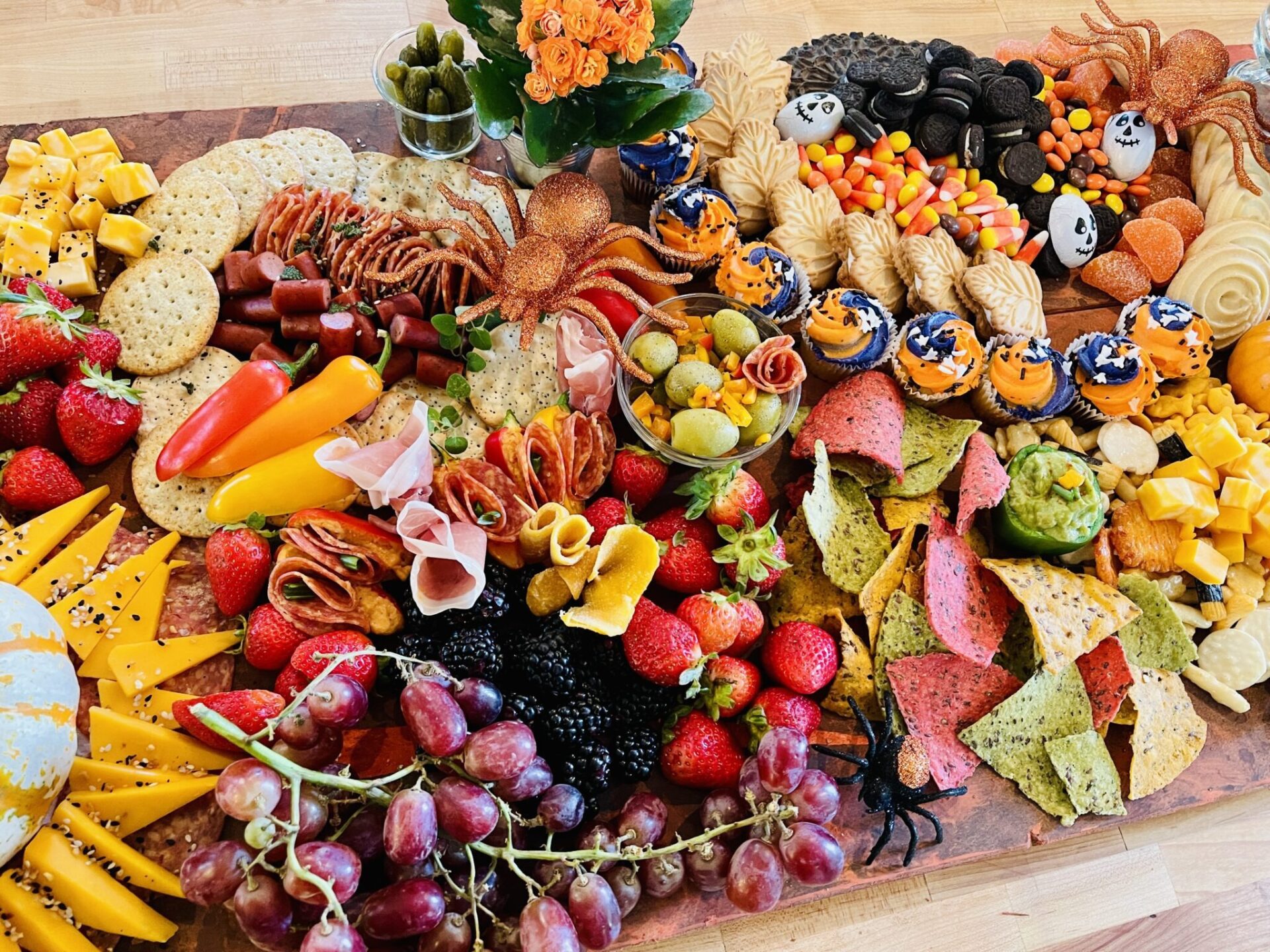
Eat Splendid’s approach to entertaining reflects this. Charcuterie board guides, cocktail recipes from the Sips section, and full dinner menus with make-ahead strategies all support the home host who wants to cook well and enjoy the gathering at the same time.
Conclusion
The most important investment you can make as a home cook is in foundational technique. Everything else — flavor experimentation, creative recipe development, confident entertaining — follows from that foundation. With the chef-led guidance of Eat Splendid, building that foundation is an enjoyable process rather than a daunting one.
FAQ
- Which cooking techniques should beginners learn first?
Searing, seasoning in stages, and building simple pan sauces are three high-impact techniques that improve nearly every dish you cook. - How does Eat Splendid teach baking techniques?
Through detailed recipes in the Breads and Pastries category and the Focaccia Bread Art section, which covers everything from basic loaves to edible artistry. - How quickly can a home cook develop professional technique?
With consistent practice and the right guidance, meaningful improvement in technique is noticeable within weeks rather than months.
