
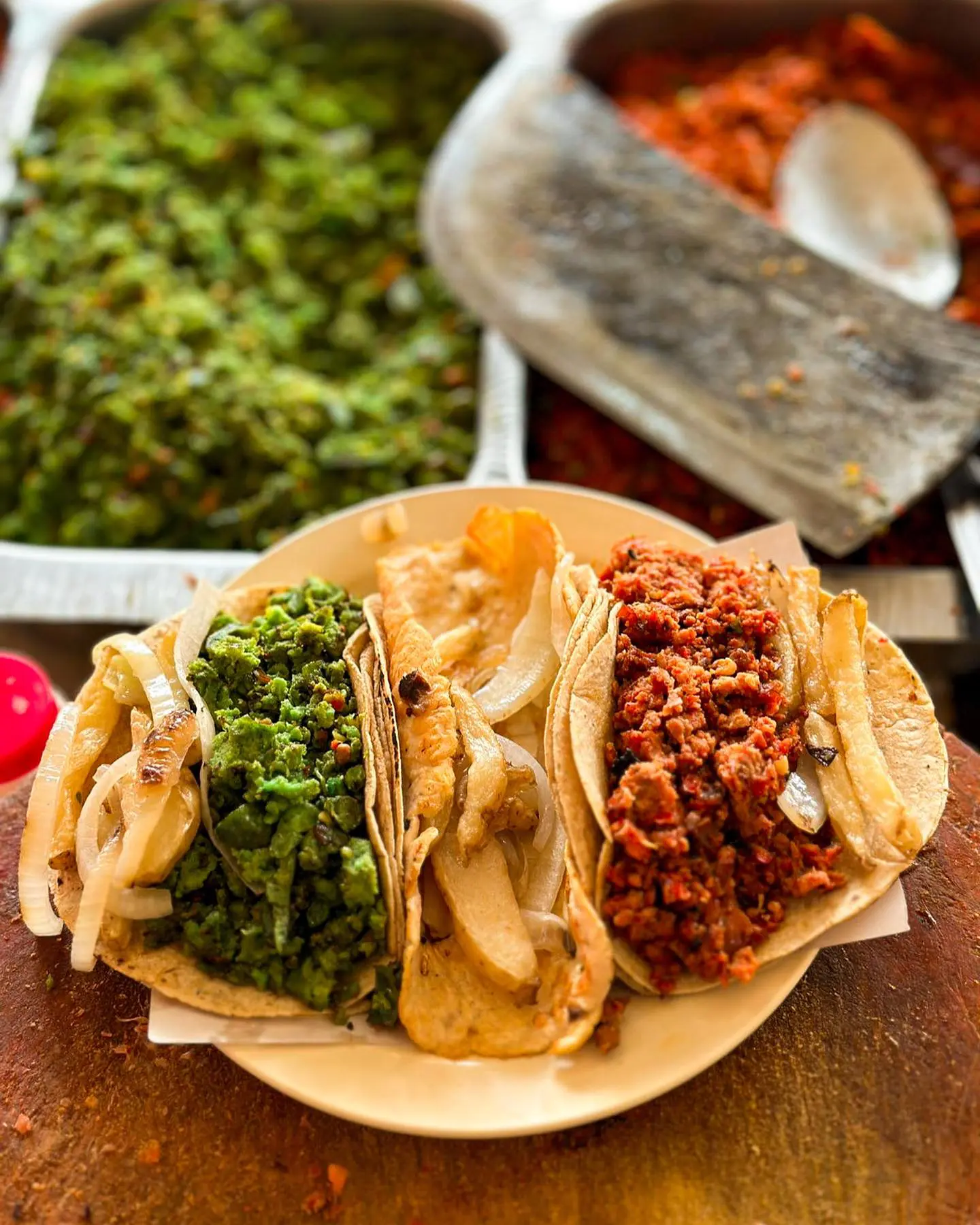
I’ve ordered the same burrito from a drive-thru chain and from a spot that grills over actual wood, on the same day, mostly out of curiosity. Not close. One tasted like a supply truck. The other tasted like somebody had cooked it an hour before I showed up — because they had.
It Comes Down To Process, Not A Secret Ingredient
Fast food chases speed above nearly everything else. Proteins get cooked ahead of time in bulk, tortillas get pressed by a machine somewhere, sauces arrive from a plant states away. Places doing it the older way flip that order — flavor comes first, and the speed part gets sorted out later, or not at all.
Fire Does Something Seasoning Can’t
Cooking over mesquite isn’t a style choice you can undo with better spices. The smoke actually gets into the meat as it cooks, in a way a gas burner just doesn’t manage no matter how long you leave it on.
Running a wood grill instead of a flat-top costs a restaurant time and makes everything harder to standardize. Most places skip it for exactly that reason. The ones who don’t skip it tend to build regulars instead of one-time customers who never come back — draw your own conclusions there.
Shelf-Stable Versus What Actually Went Bad Last Week
Check the ingredient list sometime, if a place even bothers publishing one. Chains lean on sauces built to survive a warehouse for months and cheese pre-shredded somewhere far from the kitchen. Places built around flavor use produce that got chopped that same morning, meat that’s been sitting in marinade since yesterday.
Fresh salsa daily. Meat marinated overnight, then grilled to order. Tortillas warmed right there, not shipped frozen. Toppings prepped same-day instead of thawed from a bag.
Why This Matters When You’re Actually Eating It
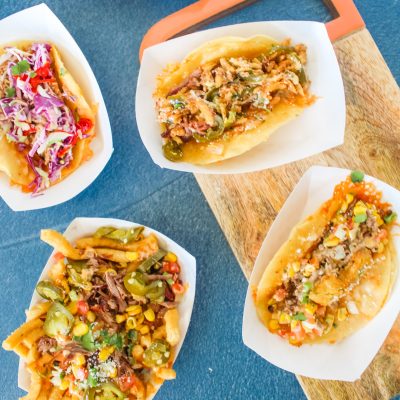
You end up paying a little more, sure, but for food that holds together — better texture, sharper flavor, none of that limp, soggy quality fast food gets ten minutes after it lands in the passenger seat.
This Isn’t Only About Tacos
Bowls, salads, quesadillas — the standard carries over. If the protein underneath got grilled fresh, most of what’s built on top of it benefits, whether or not it’s the headline item on the menu.
How To Actually Spot It
Look for wording that says “wood-grilled” or “charcoal-grilled” specifically, not just “grilled.” Check if the salsa gets called house-made anywhere. See whether fresh produce is named outright instead of implied. And notice if family meals actually use the same ingredients as a regular order, or a cheaper stand-in nobody talks about.
Restaurants serious about street food mexico style cooking tend to explain their process somewhere on the menu without being asked — it’s part of what they’re selling you, not a footnote.
Conclusion
The gap between fast food and something closer to the real thing isn’t about fancier plates or a bigger bill at the end. It’s whether the kitchen treats fire, fresh ingredients, and daily prep as steps you can’t skip, rather than ones you skip when it gets busy on a Friday.
